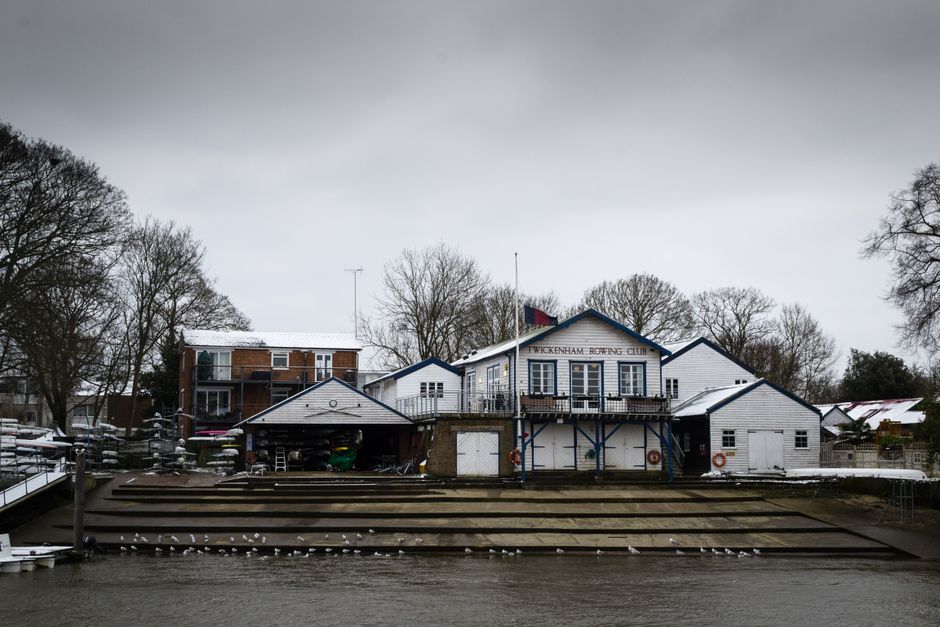
Strawberry Hill removals tips for narrow access Twickenham

If you are planning a move in Strawberry Hill, you already know the tricky bit is often not the packing, but the access. Narrow roads, tight turns, shared driveways, small front steps, and limited parking can turn a simple house move into a very long day if you do not plan for them properly. These Strawberry Hill removals tips for narrow access Twickenham are designed to help you avoid the usual headaches and get everything out safely, calmly, and without last-minute panic.
Truth be told, most moving problems in compact Twickenham streets are preventable. A few smart checks before moving day can save time, protect your furniture, and reduce stress for everyone involved. In this guide, you will find practical steps, local considerations, a simple checklist, and realistic advice for choosing the right approach, whether you are moving from a flat, a family home, or a small business space. And yes, we will keep it properly useful, not fluffy.
Why Strawberry Hill removals tips for narrow access Twickenham Matters
Strawberry Hill has a lovely residential feel, but that charm often comes with movement challenges. Streets can be narrow, parking can be tight, and access to front doors or rear entrances is not always straightforward. If your removal van cannot stop close enough, every box has to be carried further. That means more lifting, more time, and more chance of knocks and scrapes.
This matters because a move is not just about transport. It is about safe loading, sensible timing, and making sure the route from property to vehicle is workable. One awkward gate, a low branch, or a parked car in the wrong spot can change the whole day. We have all seen it happen: a sofa tilting in the rain, two people waiting while a driver searches for space, and that slow realisation that the route was never checked properly.
In narrow-access moves, planning is the difference between a controlled operation and a scramble. For people moving within Twickenham, it also affects how you choose the vehicle, how many crew members you need, and whether specialist help makes sense. If you are comparing moving support, pages like removal services and man and van can help you think through the most practical setup for a tight-access job.
Key point: narrow access does not just make moving harder; it changes the whole logistics picture. The better the access plan, the smoother the whole relocation.
How Strawberry Hill removals tips for narrow access Twickenham Works
At its simplest, a narrow-access move works by reducing uncertainty before the van arrives. You measure, check, clear, and plan the route. Then you match the vehicle and crew to the space available. That can mean choosing a smaller van, using more portable carrying equipment, or splitting the move into loads rather than trying to force one huge run.
The process usually starts with a property assessment. That can be a walk-through, photos, or even a quick video. The goal is to understand where the vehicle can park, how far items must be carried, whether there are steps or tight corners, and whether there is enough room to reverse or turn safely. A good mover will also look at what is being moved: wardrobes, mirrors, beds, washing machines, office furniture, or fragile items that need extra care.
Then comes route planning. In a place like Strawberry Hill, this may involve checking road width, finding the least awkward loading point, and thinking through whether doors, hallways, or stairwells create bottlenecks. If you need packing support as well, packing and unpacking services can make the whole thing simpler because properly packed items are much easier to carry through tight gaps.
Finally, the move itself should be sequenced in a sensible order: first the bulky items, then the boxes, then the last-minute bits. That sounds obvious, but in a cramped street it saves a surprising amount of faffing about. No one wants the fridge ready to go while the driver is still trying to angle the van into a space that barely fits a hatchback, let alone a moving vehicle.
Key Benefits and Practical Advantages
Good narrow-access planning brings a bunch of practical wins. The biggest one is time. When the vehicle is correctly matched to the site, loading is more direct and less awkward, which usually means less carrying and fewer delays. On busy moving days, that can be the difference between a tidy finish and an exhausted end to the afternoon.
There is also a clear safety benefit. Longer carrying distances on uneven pavements or around parked cars increase the chance of trips, slips, and dropped items. A smaller van or a more careful loading method can reduce that risk. This is especially relevant for heavy or awkward furniture, where a tiny mistake can become an expensive one.
Another benefit is property protection. Narrow hallways and stairwells are easy places to chip paintwork, mark bannisters, or catch corners. If you are using protective covers, better lifting technique, and a sensible route plan, you are far less likely to damage the old home or the new one. That is always worth the effort.
- Less waiting: fewer parking problems and fewer bottlenecks.
- Safer handling: reduced lifting strain and fewer rushed movements.
- Better protection: less chance of damaged furniture or scratched walls.
- Lower stress: a move that feels planned rather than improvised.
- More control: easier to adapt if the road or access point changes on the day.
If you are still comparing your options, it may help to look at house removals and house movers so you can judge what level of support is sensible for your property type and access limitations.
Who This Is For and When It Makes Sense
This advice is for anyone moving in or around Strawberry Hill where space is tight. That includes flats above shops, terraced houses with limited front access, homes with shared driveways, and properties on roads where bigger vehicles cannot comfortably stop outside. If you have ever thought, "the van will probably be fine," this section is for you. Probably the most dangerous phrase in removals, by the way.
It is also relevant for people moving from period homes, where original layouts were never designed with modern furniture in mind. A curved staircase, narrow landing, or small doorway can turn a standard sofa into a puzzle. The same goes for offices or studio spaces where equipment has to be moved through confined entrances. For those moves, office removals and commercial moves may be more relevant than a basic home move package.
It makes sense to use this approach when:
- the vehicle cannot park directly outside the property;
- access is down a lane, shared path, or awkward turning area;
- you have large, fragile, or heavy furniture;
- you are moving on a busy road with limited waiting space;
- you want to avoid upsetting neighbours or blocking access for others.
Sometimes the right answer is a larger crew with a smaller vehicle. Sometimes it is a bigger van parked further away and more careful carrying. The point is not to force one model on every move. It is to fit the move to the street, the property, and the items being transported.
Step-by-Step Guidance
Here is a practical way to handle a narrow-access move in Strawberry Hill without making it harder than it needs to be.
- Measure the access carefully. Check gate widths, door widths, hallway corners, stair turns, and any tight outdoor approach. Do not guess. A tape measure and a few photos can save a lot of grief.
- Map the loading point. Identify where the vehicle can stop safely and legally. If the closest spot is unreliable, note the second-best option too.
- List the awkward items first. Bulky beds, sofas, wardrobes, appliances, mirrors, and anything fragile should be assessed before packing day.
- Decide whether packing support is needed. If you are short on time or your access is tight, man and van removals plus packing help can be a tidy solution for a smaller move.
- Clear obstacles in advance. Move bins, bikes, plant pots, and loose hallway items. Small things become big problems once carrying starts.
- Protect the route. Use blankets, covers, or floor protection where needed. Even a short route through a narrow hallway can pick up marks fast.
- Load in a logical order. Put the heaviest and most awkward items in first, then the boxes, then the lighter loose items.
- Keep communication simple on the day. One person should direct loading, especially if the route changes or parking becomes tricky.
A small local example: a resident on a quiet Strawberry Hill street once realised, the night before moving, that a parked car would block the only sensible loading point. By moving a few boxes to the front room, arranging an earlier arrival, and using a smaller vehicle, the job stayed on track. No drama. Just planning. That is the whole game, really.
Expert Tips for Better Results
After enough removals, a pattern becomes obvious: the people who prepare for access usually have the easiest moving days. Here are the small details that make a big difference.
- Photograph the route. Send images of entrances, staircases, and parking approach in daylight if possible. It helps identify issues that sound harmless in a phone call but are not harmless in real life.
- Check timing against local traffic. Even short jobs can be delayed by school runs, delivery vans, or someone deciding to park "just for a minute."
- Disassemble only what truly needs it. Over-disassembling furniture creates extra loose parts and confusion. Sometimes a smaller angle, not more screws, is the answer.
- Label fragile and awkward items clearly. It sounds basic. It is basic. And yet it gets skipped far too often.
- Use proper lifting technique. Bending from the knees, keeping loads close to the body, and avoiding rushed twists makes a genuine difference.
- Keep a clear path through the home. One chair left in the wrong place can become a stubbed toe, a dropped box, or both.
If you need furniture moved on its own, it is worth looking at furniture pick up as a practical option for single items or small batches. For some households, that is a much cleaner fit than booking a larger move than necessary.
Expert summary: narrow-access moves work best when you reduce the amount of guesswork. Measure, photo, label, protect, and keep the route uncluttered. Simple, but effective.
Common Mistakes to Avoid
The most common mistake is assuming the van can get closer than it actually can. That one assumption often leads to a chain reaction: longer carries, rushed loading, frustrated neighbours, and a crew doing extra steps they did not need to do. Be fair to yourself here; it is an easy mistake to make. But it is still worth avoiding.
Another common issue is forgetting about the end of the route, not just the start. People measure the doorway, but not the turn into the hallway. They check the van size, but not whether there is room to manoeuvre on the road. They pack the boxes, but not the staircase. That is where the surprise usually hides.
Other mistakes include:
- leaving parking arrangements until the morning of the move;
- not warning neighbours if access may be partly blocked;
- packing heavy boxes too full, which makes them harder to carry;
- forgetting to protect floors, bannisters, or door frames;
- booking the wrong vehicle type for the street layout;
- trying to carry too much at once through a tight area.
There is also a quiet but expensive mistake: not checking insurance and safety expectations. If your mover is handling valuable items or difficult access, make sure you understand how the job is covered and what the responsibilities are on both sides. That is where pages like insurance and safety and health and safety policy are useful to review before you commit.
Tools, Resources and Recommendations
You do not need a van full of specialist kit to make a narrow-access move work, but a few basic tools help a lot. In practice, the most useful items are often the simplest ones.
- Measuring tape: for checking doorways, halls, and larger furniture.
- Phone camera: to document access points and share clear images.
- Protective blankets and covers: for furniture and fragile edges.
- Floor protection: especially useful in hallways and on polished surfaces.
- Labels and marker pens: to keep boxes organised and easy to place.
- Basic toolkit: useful for taking apart beds, tables, and shelving.
- Gloves and sturdy shoes: small thing, big difference on moving day.
For people still deciding on the type of help they need, movers and removals are useful broad services to explore, while man with van is often the more flexible choice for smaller or access-sensitive jobs. If the move is larger, a moving van or removal van may be more suitable, but only if the street can handle it.
If you are comparing quotes, it helps to ask what is included: waiting time, stairs, dismantling, reassembly, and whether extra carrying distance affects the price. The best quote is not always the cheapest one; it is the one that actually fits the access reality.
Law, Compliance, Standards, or Best Practice
For a residential move, the main compliance concerns are usually practical rather than highly technical. You are mostly dealing with safe parking, safe lifting, property access, and sensible care for people and possessions. That said, UK moving practice still expects a professional approach to health and safety, vehicle loading, and insurance cover.
Good movers should think about risk in a straightforward way: can the route be used safely, can the load be secured, and can the move be completed without creating avoidable hazards for pedestrians, neighbours, or the crew? That matters especially in narrow streets where blocked pavements or rushed loading can affect more than one household.
It is also best practice to be honest about access limitations from the start. If the road is too tight for a larger vehicle, say so. If there are steps, steep paths, or no direct parking, say so. Clear information helps the mover choose the right plan and avoids a last-minute row on the kerb. Nobody enjoys that. Nobody.
If you want reassurance about responsible operations, reviewing about us, terms and conditions, and privacy policy can help you understand how a provider handles service expectations and customer information. For anyone moving goods from a business or office, the standards around care, timing, and coordination are even more important.
Options, Methods, or Comparison Table
There is no single best method for every Strawberry Hill move. The right choice depends on access, load size, parking, and how much time you have. The table below gives a simple comparison.
| Method | Best for | Pros | Watch outs |
|---|---|---|---|
| Small van with careful loading | Tight streets, lighter loads, short moves | Easier to park, simpler manoeuvring, often less stress | May require more trips if the load is large |
| Man and van service | Flat moves, partial moves, awkward access | Flexible, practical, often good for stop-start access | Not ideal for very large household moves |
| Full removals team | Family homes, heavy furniture, higher item count | More hands, faster carrying, better for bigger jobs | Needs careful vehicle planning in narrow roads |
| Split-load move | Very limited access or phased moving days | Reduces pressure on parking and carrying space | Takes longer and needs good coordination |
For some people, the smartest option is not the biggest one. It is the one that fits the street. A split-load move, for example, can be calmer than trying to force a full-size van into an area where it really should not be.
Case Study or Real-World Example
Imagine a couple moving from a first-floor flat near Strawberry Hill into a nearby house on a road with limited passing space. The flat has a narrow staircase, and the new property has a small front approach with parking available only a short distance away. On paper, that sounds manageable. In reality, it needs planning.
They start by sending photographs of both properties, including the stair turns, hallway width, and the nearest parking space. The mover advises using a smaller van and bringing extra protective blankets for the sofa and dining table. They also pack the boxes by room, with heavy items kept small so they are easier to carry over the extra distance.
On the day, the van parks where it can, not where it would be ideal in a perfect world. The crew uses a clear route, keeps the doorway protected, and loads the bigger items first while the street is still relatively quiet. The move still takes concentration, but it does not become a drama. There are a few pauses, a bit of careful manoeuvring, and that satisfying end-of-day moment when the last box goes in and everyone can breathe again.
That is usually the goal with narrow-access removals: not perfection, just control. Controlled is good. Controlled is very good.
Practical Checklist
Use this checklist a day or two before moving. It is simple, but it catches the things people often forget.
- Measure doorway, hallway, stair, and gate widths.
- Take photos of access points and parking options.
- Confirm vehicle size is suitable for the street.
- Check if any neighbour cars may block access.
- Reserve or secure the best loading point available.
- Protect floors, corners, and bannisters.
- Pack heavy items into smaller boxes.
- Label fragile boxes clearly.
- Disassemble large furniture where needed.
- Keep a small essentials bag with keys, chargers, documents, and basics.
- Review pricing and quotes before confirming the booking.
And one more thing: keep water, snacks, and a bit of patience handy. It sounds minor, but on a moving day with tight access, small comforts count for more than people expect.
Get a free quote today and see how much you can save.
Conclusion
Narrow access does not have to turn a Strawberry Hill move into a stressful one. With the right measurements, the right vehicle, and a realistic plan for parking and carrying, most of the common problems can be avoided before they start. That is the real trick here. Not speed, but foresight.
If you are moving in Twickenham and know access is going to be tight, take the extra ten minutes to check the route properly. It pays off in fewer delays, less damage risk, and a far calmer moving day. And if you are deciding between service levels, choose the setup that fits the street rather than the one that sounds biggest. That usually works out better, honestly.
Move carefully, plan generously, and give yourself a bit of breathing room. It makes all the difference.
Frequently Asked Questions
What should I check first for a narrow-access move in Strawberry Hill?
Start with the basics: doorway widths, hallway turns, stair access, gate clearance, and where the van can safely stop. If those five things work, the rest becomes much easier.
Is a man and van service suitable for narrow roads?
Often, yes. A smaller vehicle can be much easier to place on tight residential streets, especially if the move is only part-load or the property access is awkward.
How far in advance should I plan a narrow-access removal?
As early as you can. Even a few days' notice helps, but earlier is better if you need to coordinate parking, dismantling, or a larger amount of packing.
Do I need to measure furniture as well as the property?
Yes. A sofa, wardrobe, bed frame, or appliance can create problems even when the doorway looks fine. Measure the biggest items before moving day so you can avoid surprises.
What happens if the van cannot park outside the house?
Then the team will need to carry items from the nearest workable loading point. That is normal in narrow streets, but it should be planned in advance because it affects time and effort.
Can narrow access increase moving costs?
It can, depending on the extra time, carrying distance, crew size, and whether a smaller vehicle or additional equipment is needed. The best way to manage this is to describe the access accurately when asking for a quote.
Should I tell the mover about steps or a steep path?
Absolutely. Steps, slopes, and uneven surfaces can change how items are handled and how long the move takes. It is much better to mention them early than apologise later.
What items are most difficult in tight-access removals?
Large sofas, wardrobes, mattresses, mirrors, washing machines, and anything awkwardly shaped tend to be the hardest. They need more care, more space, or sometimes partial dismantling.
Are packing services worth it for a narrow-access move?
They often are. Well-packed boxes stack better, carry better, and reduce the chance of damage when items have to be moved through a tight route. It is one of those things that pays off quietly.
How can I make moving day less stressful in a tight Twickenham street?
Prepare the route, clear obstacles, label everything properly, and keep communication simple. The calmer you are in advance, the less likely the day is to turn into a scramble. Small prep, big difference.
What if my property is in a conservation-style or older home with awkward access?
That is common in parts of Twickenham. Period homes often have narrow stairs, smaller rooms, and awkward corners, so it is wise to plan for careful carrying and possibly more hands on the job.
Where can I learn more about the company before booking?
You can review useful pages such as about us, insurance and safety, and contact us to understand the service approach and how to get in touch.